Quick Answer:
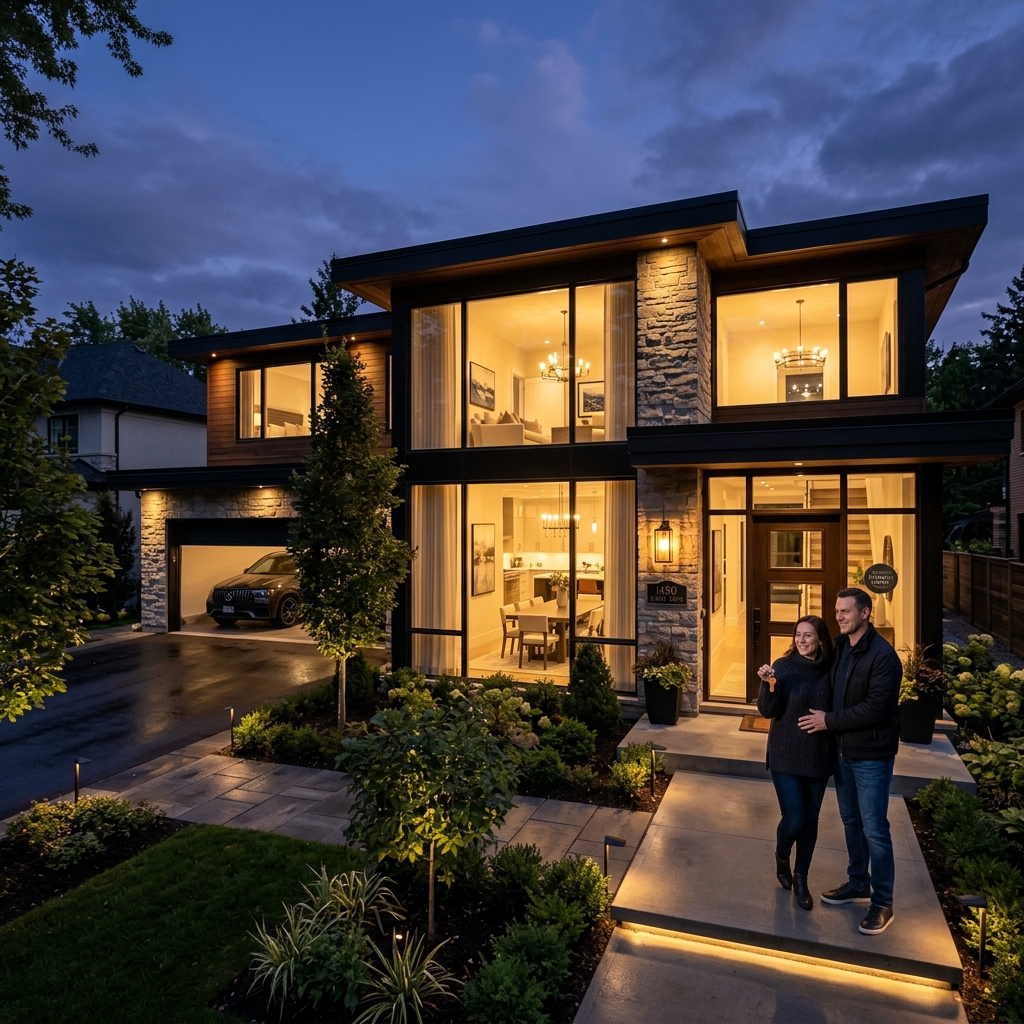
What is included in turnkey home construction? Turnkey home construction includes end-to-end project execution: architectural design, structural engineering, plan approvals, complete material procurement, civil construction (foundation, brickwork, roofing), plumbing, electrical wiring, flooring, painting, and basic fixtures. The contractor manages all labor, materials, and logistics, handing over the keys to a fully finished, ready-to-move-in house. You literally "turn the key" and move in.
If you are planning to build a house, you have probably heard the phrase "turnkey construction." But what does it actually mean? More importantly, if you hire a residential construction company in Bangalore on a turnkey basis, what exactly are you paying for?
The simplest way to understand "turnkey" is this: you turn the key and walk into a finished home. Everything from digging the first trench to installing the last light switch is managed by one single company. However, "everything" is a broad term. To prevent disputes and budget surprises, homeowners need to know exactly what is included—and just as importantly, what is excluded—from a standard turnkey package.
Table of Contents
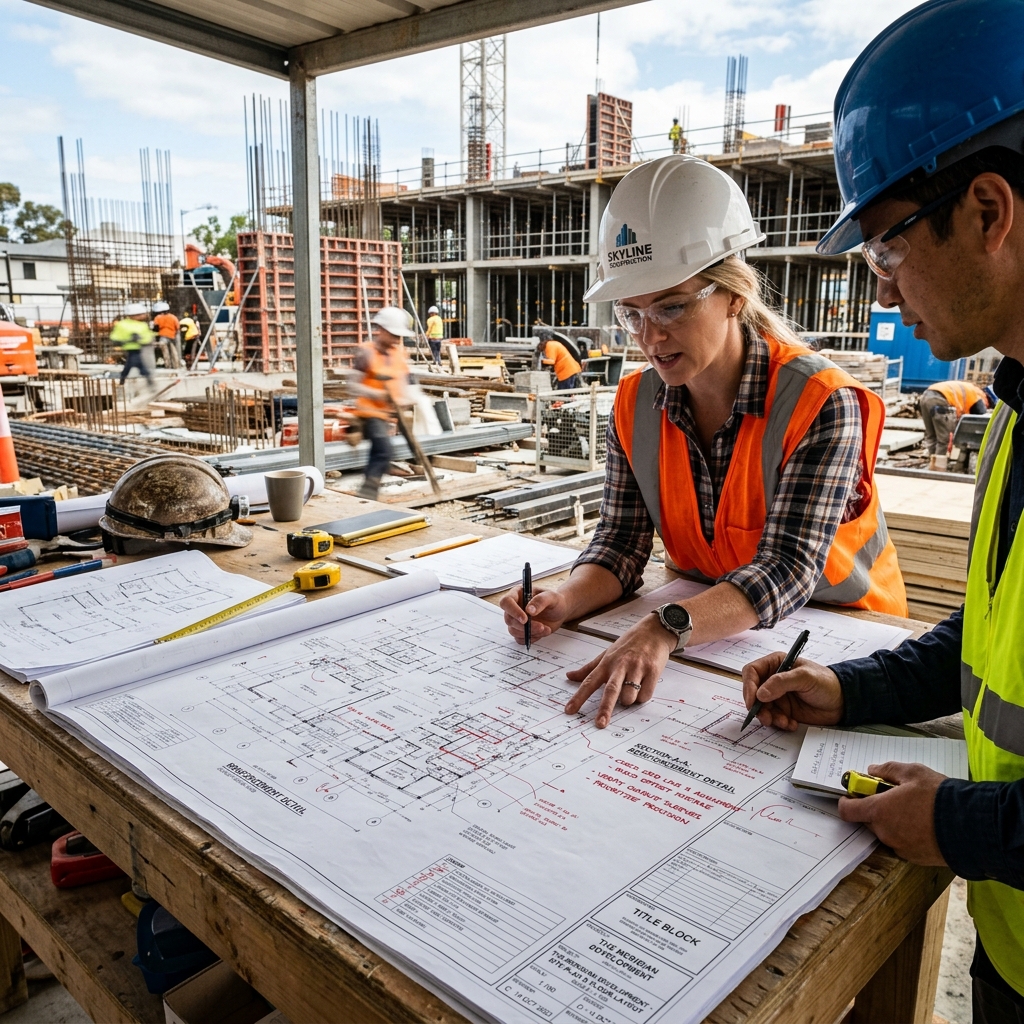
Phase 1: Design, Planning & Approvals
A true turnkey contract starts long before any cement is mixed. The construction company handles the intellectual and legal groundwork, which saves you months of running around.
- Architectural Design: Creation of 2D floor plans, furniture layouts, and 3D exterior elevations based on your requirements and budget.
- Structural Engineering: Designing the structural drawings for columns, beams, footings, and slabs to ensure the building is safe, durable, and earthquake-resistant.
- MEP Drawings: Detailed schematics showing where every pipe, wire, and switch will go.
- Approvals & Permissions: Coordinating with local municipal bodies (like BBMP or BDA in Bangalore) to get the building plan sanctioned. (Note: While the builder handles the running around, the actual official fee receipt is usually paid by the homeowner).
- Temporary Setup: Arranging the temporary electricity meter and borewell/water connections required to begin construction.
Phase 2: Civil and Structural Execution
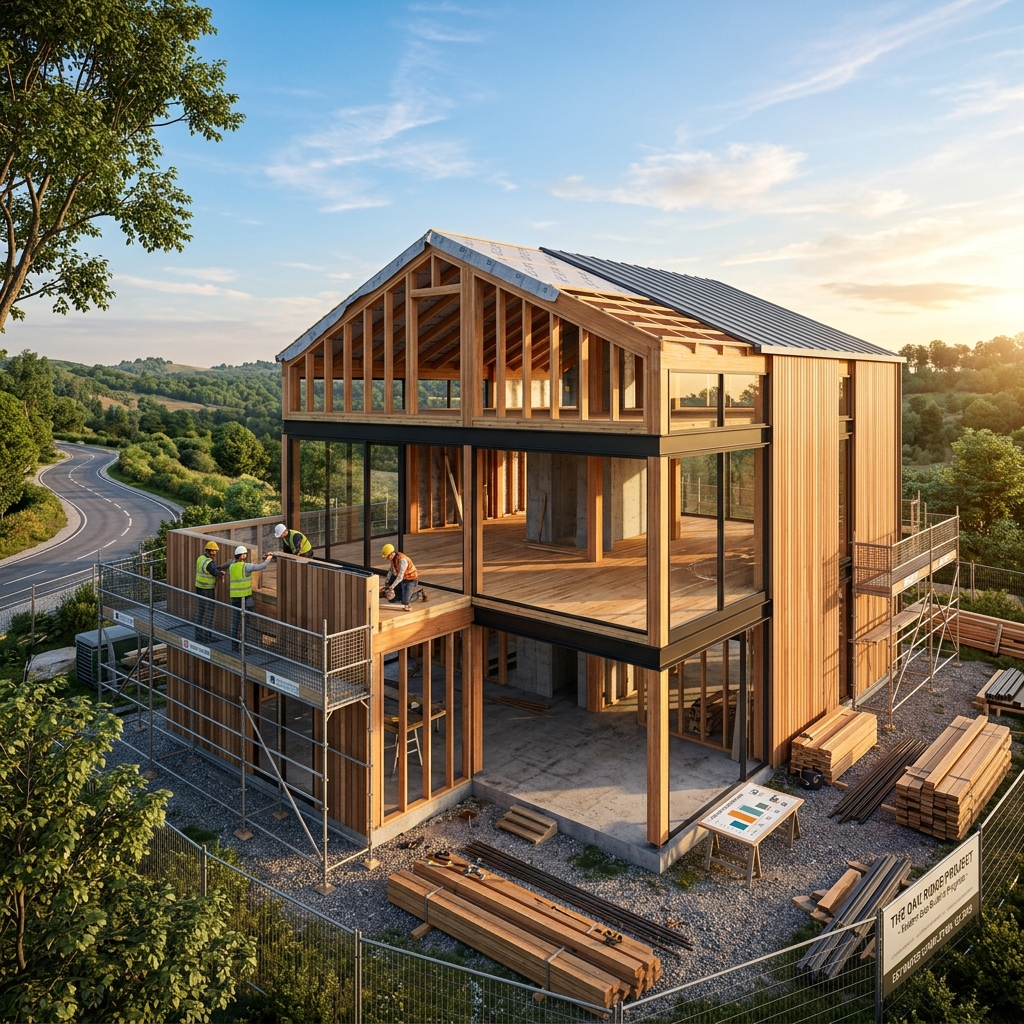
This is the heavy-lifting phase where the core structure of your home is built. Unlike a labour contract where you must buy the materials daily, the turnkey builder procures all TMT steel, cement, and sand directly from manufacturers.
- Earthwork & Foundation: Plot leveling, excavation for footings, anti-termite treatment, and pouring the reinforced concrete foundation.
- Framing & Superstructure: Erecting RCC (Reinforced Cement Concrete) columns, plinth beams, lintels, and pouring the roof slabs for each floor.
- Masonry (Brickwork): Building the exterior and interior walls using red bricks, solid concrete blocks, or lightweight AAC blocks depending on your chosen construction package.
- Plastering: Applying rough plaster on the exterior to protect against weather, and smooth finish plaster on the interior walls ready for painting.
- Curing: The contractor manages the critical watering process to ensure cement structures gain maximum strength.
Phase 3: MEP (Mechanical, Electrical, Plumbing)
The veins and nervous system of your house are installed seamlessly alongside the civil work. Coordinating plumbers and electricians is notoriously difficult for a homeowner; turnkey solves this.
- Plumbing Lines: Concealed CPVC/UPVC piping for hot and cold water supply, and heavy-duty PVC piping for sewage and drainage. This includes the installation of the overhead water tank and underground sump.
- Electrical Cabling: Laying conduits inside the roof slabs and walls, pulling concealed fire-resistant copper wiring, and installing distribution boards (DB), MCBs, and modular switchboard boxes.
- Waterproofing: Extremely critical waterproofing treatments in all bathrooms, balconies, utility areas, and the open terrace to prevent future seepage and dampness.
Phase 4: Finishing, Fixtures & Handover
This is where your house transforms from a concrete shell into a beautiful home. The turnkey contractor manages multiple specialized teams (painters, tile layers, carpenters, fabricators) to bring the design to life. You can see this exact level of finish in our completed residential projects.
- Flooring & Skirting: Laying vitrified tiles, granite, or marble in the living areas and bedrooms, and anti-skid ceramic tiles in the bathrooms and balconies.
- Doors & Windows: Providing and installing the main door (often solid Teak wood), internal flush doors or WPC doors, and UPVC or Aluminium windows fitted with safety grills and mosquito meshes.
- Wall Finishes & Painting: Applying two coats of wall putty, a primer coat, and two coats of premium interior emulsion paint. The exterior receives weather-proof exterior emulsion.
- Sanitary & CP Fixtures: Fitting the washbasins, commodes (wall-hung or floor-mounted), shower heads, health faucets, and taps from agreed-upon brands (e.g., Jaquar, Hindware).
- Fabrication: Installing staircase railings (SS or MS) and balcony railings.
- Final Cleanup: Deep cleaning the site, removing all construction debris, testing all electrical and plumbing points, and the final handover of keys.
Crucial Exclusions: What Is NOT Included?
While turnkey is highly comprehensive, there are a few things that are generally considered "add-ons" or "owner scope" unless explicitly stated in your BOQ (Bill of Quantities).
- Interior Woodwork: Modular kitchens, wardrobes, TV units, and false ceilings are usually handled under a separate interior contract.
- Appliances: ACs, geysers, ceiling fans, decorative chandeliers, and loose furniture.
- External Hardscaping: Compound walls, main gates, paver blocks, and elaborate landscaping are often quoted separately depending on actual plot dimensions.
- Government Challans: The actual official fees paid for electricity deposits (BESCOM), water meters (BWSSB), and statutory plan approval charges are usually paid directly by the client to the government body.
For a detailed breakdown of how much these inclusions actually cost, check our guide on how much it costs to build a house in Bangalore.
Why Choose Turnkey Over Labour Contract?
Many homeowners initially consider a "labour-only" contract because they believe buying materials themselves will save money. In 90% of cases, it ends up costing more.
- Wholesale vs. Retail: A turnkey builder buys 1,000 bags of cement a month directly from the factory at a wholesale price. A homeowner buys 50 bags at a time from a local retail hardware store at a marked-up price.
- Material Wastage: In a labour contract, the workers do not care about material efficiency because you are paying for it. In a turnkey contract, the builder is highly motivated to minimize wastage to protect their own margins.
- Time is Money: Coordinating the arrival of sand, steel, plumbers, and electricians requires you to be at the site daily. Turnkey construction provides you with a dedicated Project Manager who handles the chaos for you.